Research Methodologies and Methods Module
Module Description
The module focuses on research based on communities affected by wildfires in the interior of British Columbia, exploring diverse issues related to environment, health, economy and culture. Through an interdisciplinary approach, you will learn to identify and apply different research paradigms (Positivist/Post-postivist, Interpretive, Critical, Indigenous, Postmodernist) to address complex issues . Using both qualitative and quantitative methods and methodologies, you will develop skills to collect and analyze data while integrating the voices of diverse communities, promoting a deep understanding of social and cultural dynamics in crisis situations. The module encourages critical reflection and the practical application of theories and research methods, preparing you to contribute to community recovery and resilience.
Here is a story, pay attention to the details
Characterization of a Community in the Interior of British Columbia.
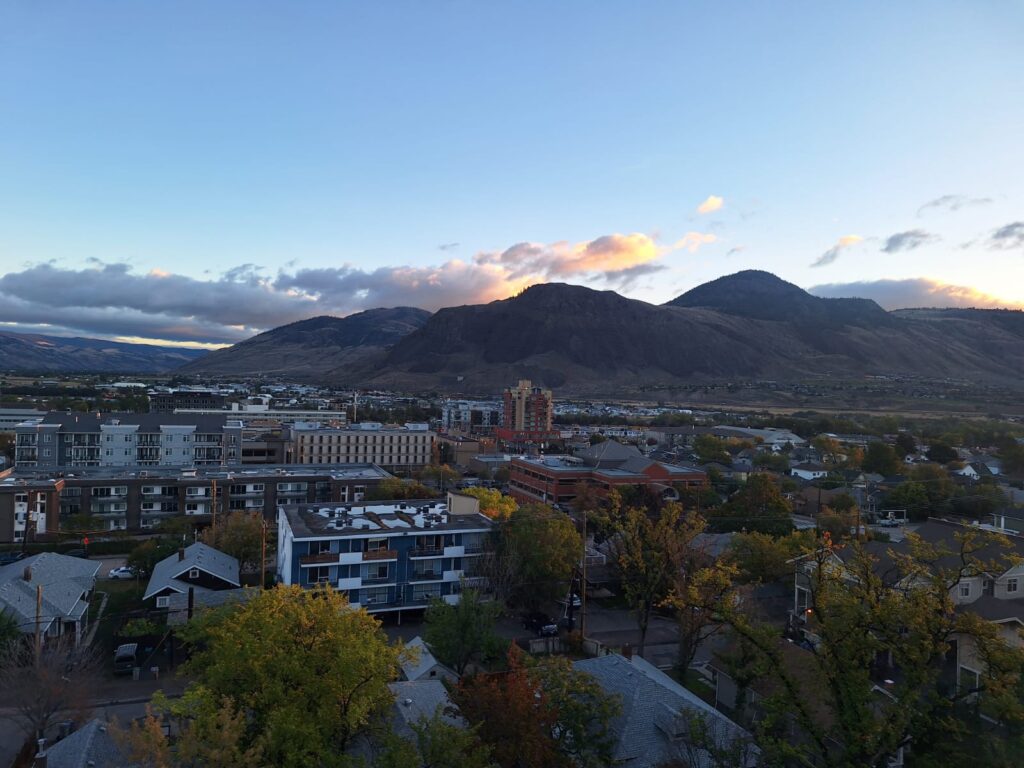
The community is located in the interior of British Columbia, an area notably characterized by its mountainous landscape, forests, and rivers. This natural environment is vital for both the local economy and the culture of its inhabitants.
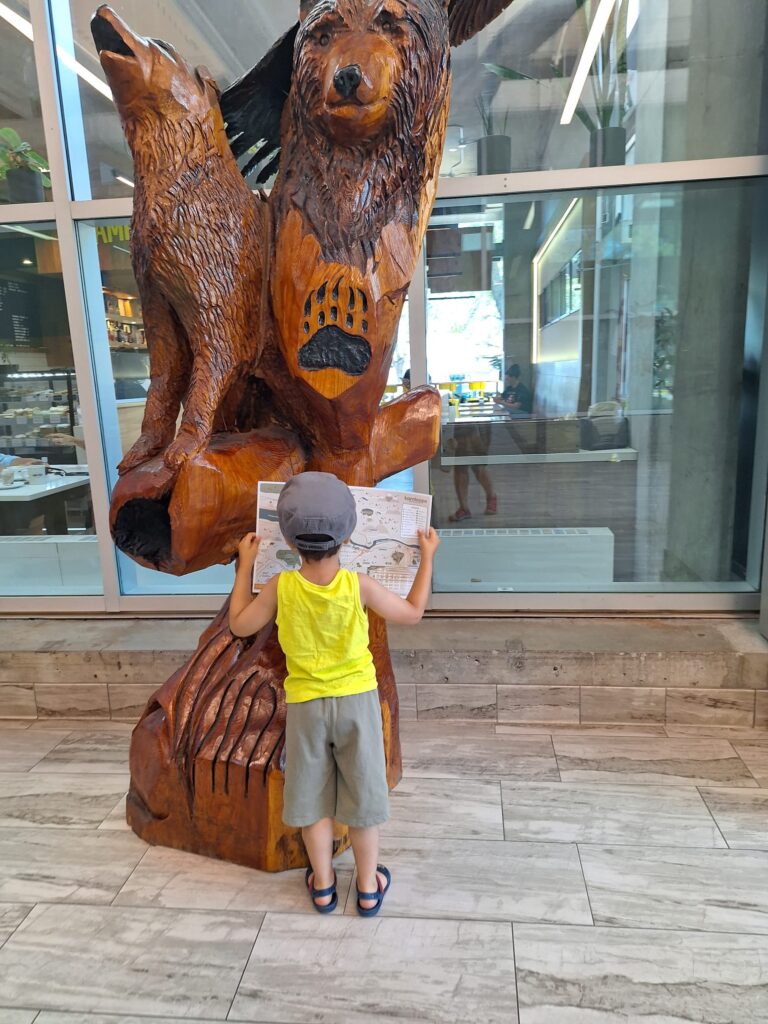
In terms of demographics, the community is home to Indigenous peoples who maintain a deep connection to the land. Their traditions, languages, and cultural practices are integral to the local identity, enriching the social fabric. Additionally, people from diverse cultures reside here, primarily migrants from India, China, and Latin America, aged between 25 and 45. Many of these families have school-aged children. These migrants have come in search of job and educational opportunities. This diversity enriches community life, bringing together different perspectives and traditions in a shared space.
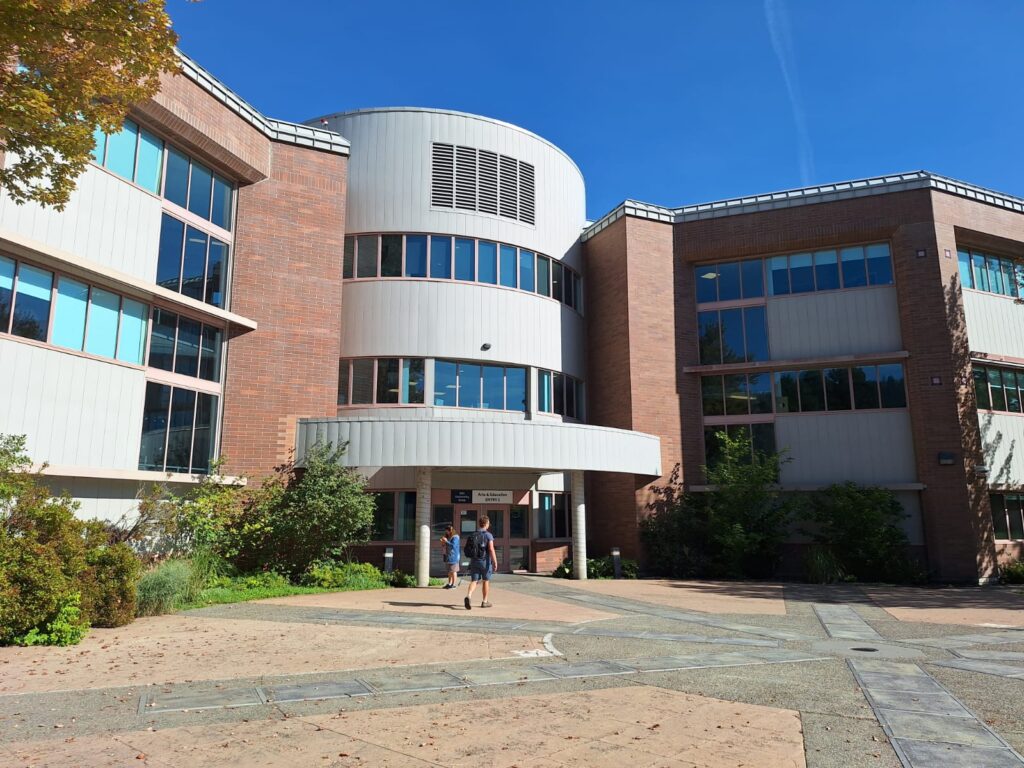
The presence of an international university fosters a dynamic academic environment.
This institution offers a wide range of degree and diploma programs in various areas, including Health Sciences (such as Nursing and Respiratory Therapy), Education (with specializations in Early Childhood Education and Special Education), Business (Business Administration and Accounting), Social Sciences (Psychology and Social Work), Natural Sciences (Biology and Chemistry), Technology and Applied Sciences (Civil Engineering and Graphic Design), as well as Arts (Fine Arts and Music) and Tourism and Hospitality. Moreover, the university engages in research on local issues, such as sustainability and climate change.
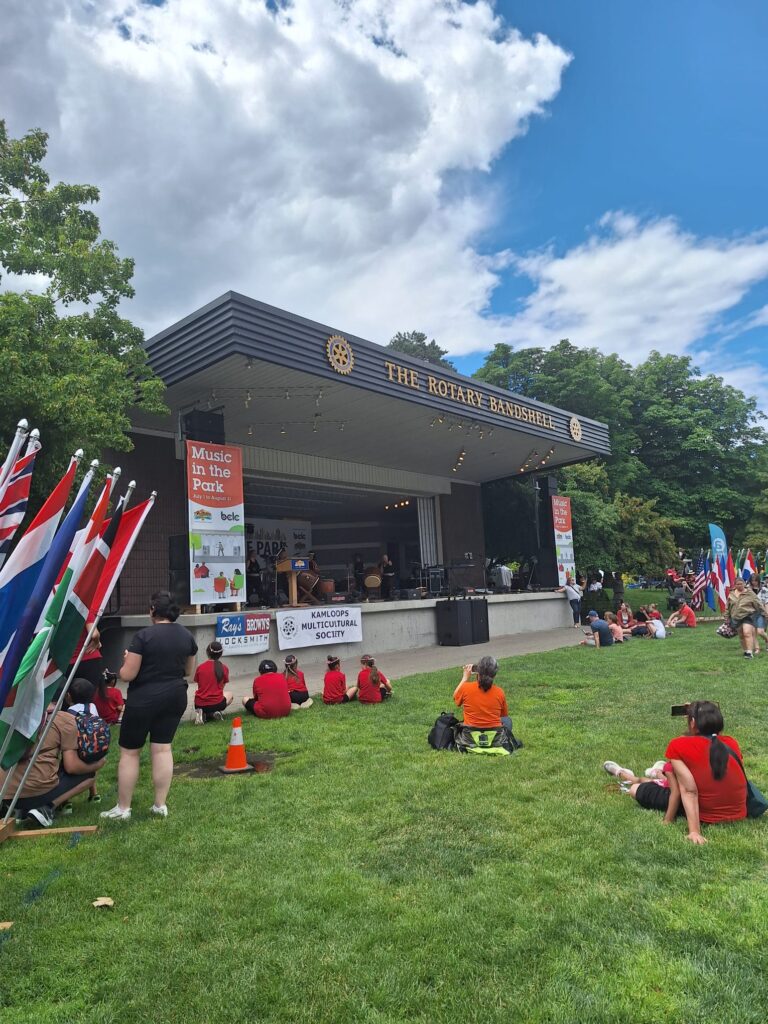
The community has important infrastructures that support its development. There is a public library that serves as a center for learning and resources for all residents. The cultural and arts center is a space where exhibitions and events highlighting local traditions are held. Additionally, a community center offers services and activities to promote social cohesion. The events center is a key location for conferences and celebrations; each year, more than 80 companies choose to hold conventions at these facilities, generating significant revenue during the summer months. Similarly, three hotels of international brands contribute to tourism and the local economy.
The climate in the region is varied, with cold winters and mild summers, allowing for outdoor activities for much of the year. More than 1,000 wildfires occur annually in the region (source: Government of BC).
Description of Events Related to the Fires
- First week of July 2023:
- High temperatures and dry conditions are reported in the region, increasing the risk of wildfires.
- July 10, 2023:
- A small wildfire starts in a nearby area, caused by lightning. Another fire ignites due to human activity in a park 5 kilometers from an Indigenous settlement. Local authorities alert residents about the potential danger. Alarms are activated.
- July 15, 2023:
- The fires spread rapidly due to strong winds and lack of moisture. Evacuation orders are issued for nearby areas, including 30 homes, representing approximately 15% of the nearest Indigenous community to the city center. The fire reaches a peripheral neighborhood, many of whose homes are rented by migrants of Chinese origin.
- July 20, 2023:
- The university is affected by smoke and temporarily closes to protect the health of students and staff. Classes are suspended, affecting around 500 students. Of these, 200 were scheduled to graduate the following month, so their study permits may expire before the emergency ends.
- July 25, 2023:
- The main elementary school suffers damage to 5 classrooms, with approximately 150 children aged 7 to 9. One of the affected classrooms has 20 students from Colombian, Canadian, Japanese, and Hindu backgrounds. Among these students, 7 have special needs, are on the autism spectrum, two of whom are non-verbal and have a very strict functioning routine.
- July 30, 2023:
- The library and community center are evacuated. The library loses about 200 books due to smoke and fire. Activities held at the library, such as English teaching, reading clubs, and childcare, are suspended.
- August 5, 2023:
- Significant losses in local crops are reported, affecting about 20 local farmers and representing a 30% decrease in annual agricultural production. 50 families lose their entire harvest.
- August 10, 2023:
- Conditions improve slightly and firefighting efforts intensify. However, the damage is already done, with many infrastructures affected and evacuations ongoing. It is reported that 100 families abandoned their homes without being able to take their belongings, losing photos, memories, books, and all their cultural heritage.
- August 15, 2023:
- The fire is finally contained, but not before causing damage to the university, the elementary school, the library, the community center, and many homes in the community. Approximately 30 Indigenous families are displaced, affecting their ability to work and maintain their incomes.
- End of August 2023:
- The community begins the recovery process, with support initiatives for those affected. Repair costs are estimated at around $1 million to restore damaged infrastructures, and measures are planned to mitigate the impact of future fires.
Stop for a moment, take note of what you found interesting so far. These notes will allow you to self-assess your improvement in research knowledge. If you want, you can record your progress in a document like this one
Definition of the Research Paradigm
We will now define the prism through which you will view the story (the context of your research). This step is fundamental, as it will help us identify the paradigm that resonates most with you and your concerns. The following questions will allow you to clarify which paradigm guides your worries and interactions with the environment you are studying. It is important to understand that this process is not only conceptual; it is also methodological. Depending on the paradigm you choose, we will subsequently define the methodological approach, data collection techniques, and other essential aspects of your research.
Each of us possesses a referential, disciplinary, and experiential framework that guides us toward a particular direction. This framework influences how we perceive and address problems, as well as the solutions we consider most appropriate. Reflecting on your perspective will allow you to not only identify your approach but also to better understand how your experiences and prior knowledge affect your research.
Read the following 40 questions and select the ones you are most interested in studying. You may select a maximum of 3 research questions in each group.